
There is something I have been thinking about lately , not as a concept, but as a lived question that has followed me most of my life.
I grew up surrounded by voices.
My parents and their friends would gather, and the room would fill with passionate conversation about life, meaning, connection, responsibility, and inspiration. They seemed so wise to me, so fully alive in their ideas. I loved sitting in that ocean of intellect, even as a child who didn’t yet have words for what she was absorbing.
But somewhere beneath all that richness, I was also lonely.
Childhood leaves marks , sometimes wounds. And healing them, creating a new complete fabric from torn pieces, is what my search has gifted me. Observing, processing, painting, living.
Those marks show up in many places. But nowhere more quietly, more persistently, than in the relationship we have with ourselves.
Imagine you’re walking through a parking lot and you see a stranger with arms full of bags. One suddenly tears open. Everything spills.
What do you feel? What do you want to do?
Most of us don’t hesitate. Something in us moves toward them.
Now imagine it’s you. You’re the one watching your things scatter across the pavement.
Same moment. How do you feel about yourself?
Somewhere between those two scenes lives one of the most important questions I return to again and again with myself, with the people I work with, with my children:
Why is it so easy to offer grace to a stranger, and so hard to offer it to ourselves?
It isn’t a character flaw. It simply means we’ve learned to generate energy through pressure — through the voice that says not enough yet. That voice works. And it comes at a price.
Self-compassion isn’t about lowering your standards. It’s about learning to rest into yourself rather than constantly pushing yourself forward.
What art taught me about feeling
My search for the ability to feel what I choose to feel , not what circumstance dictates, not what old wounds replay , eventually became my artistic path.
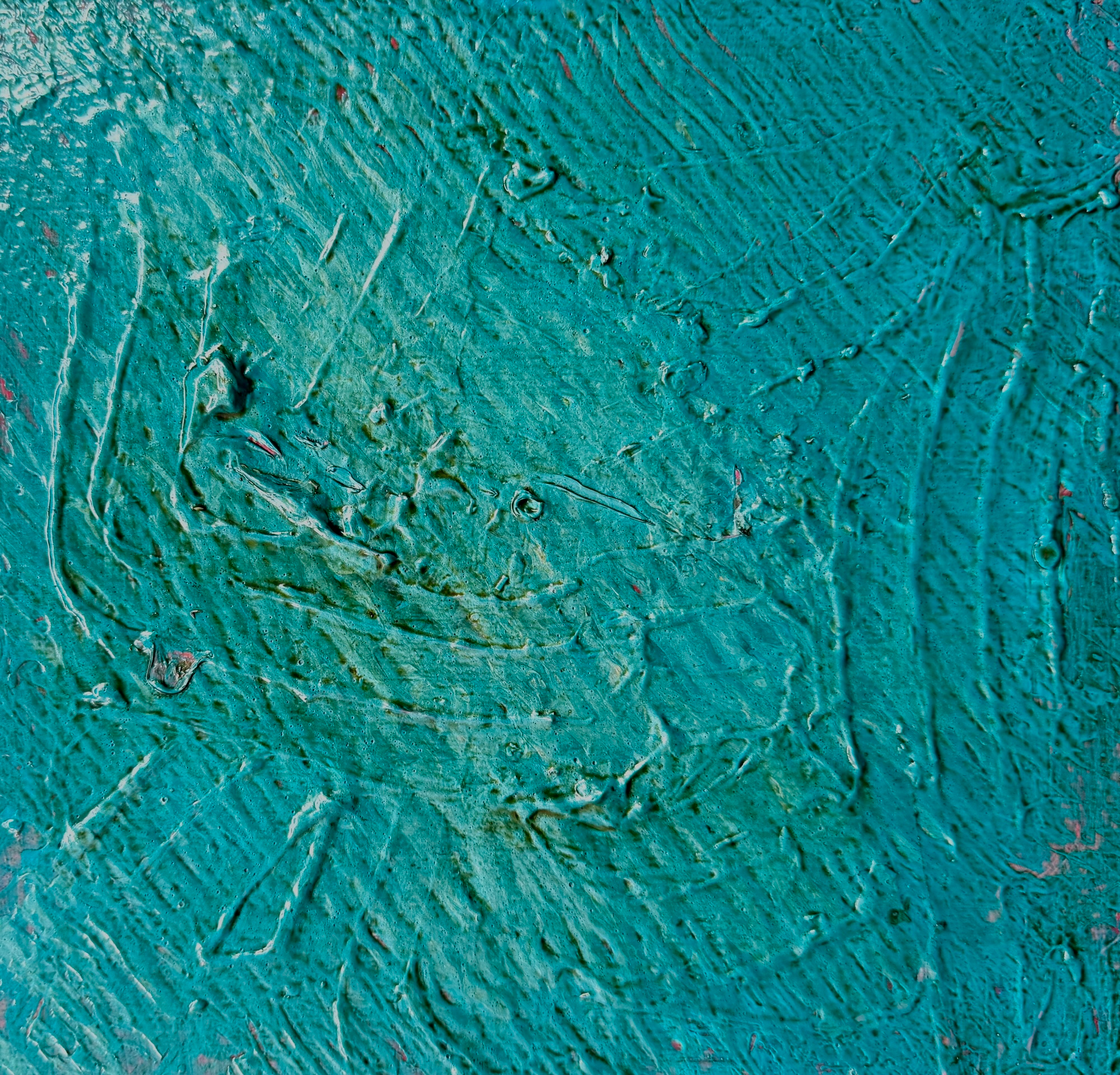
And here is what I discovered: art is not decoration. At its deepest, it is an invitation to inhabit an emotional state. When I create a piece, I am not simply arranging color and texture. I am encoding something that I want the person living with that work to be able to access.
I want the art in your home to help you feel what you choose to feel.
Not what the news asks you to feel. Not what the pressure of the day demands. But something you selected, something that belongs to you.
This weekend, I am writing a fairy tale I have never had time for. And I am having a proper tea ceremony somewhere beautiful. Small acts. Not to improve myself to belong to myself for a little while. And that is art.